
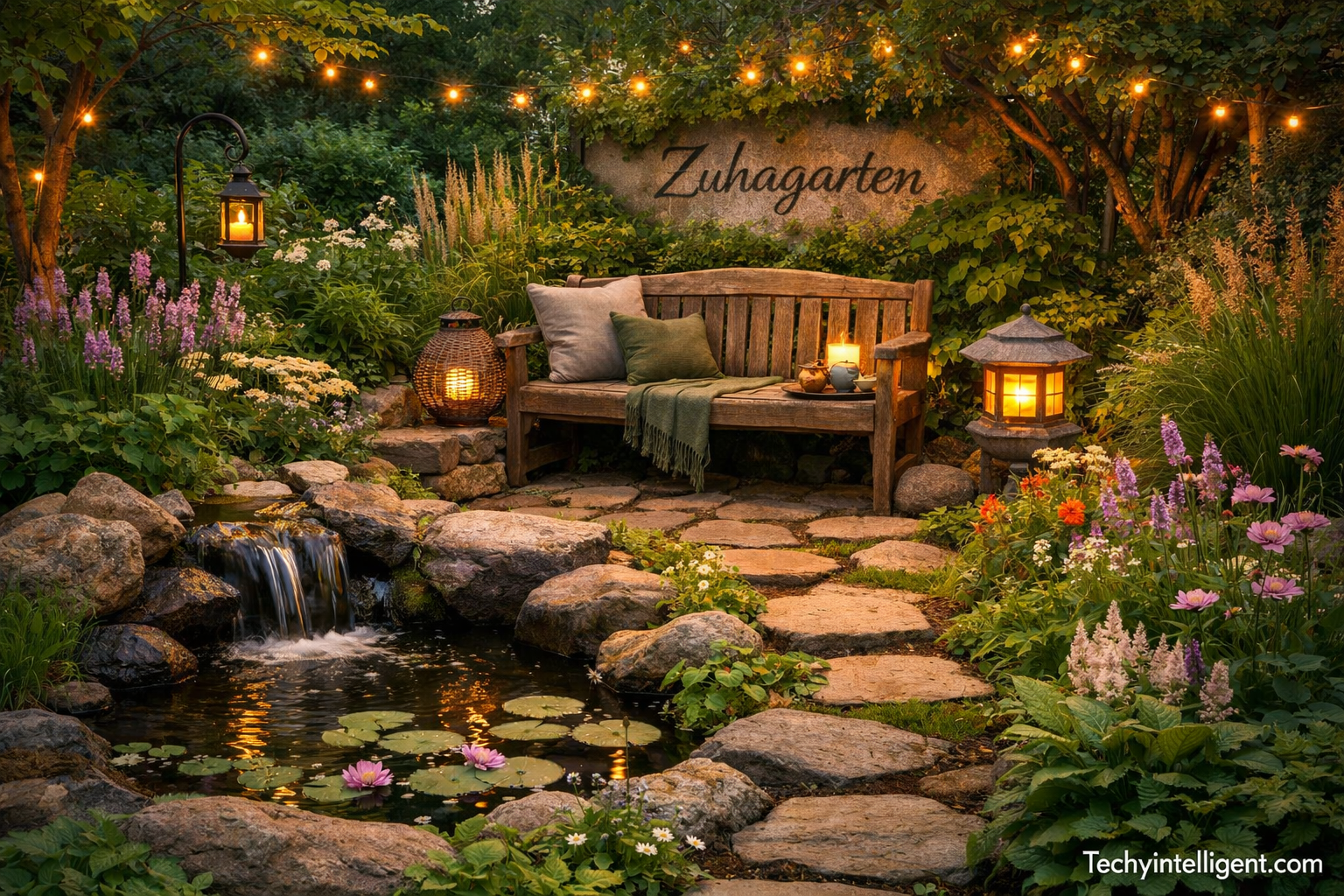
You may have felt an instinctive pull towards a place that seems to be made for you. You can be yourself in a place that is free of noise. Zuhagarten is all about this. This term is a lovely blend of at-home and Garten. It represents much more than a garden plot. The term is a beautiful blend of the German words em>em>zu Hause/em>/em> (at home) and a crafted garden that extends your inner space. This is a place for connection, reflection and renewal, with every feature having a specific purpose.
This idea first came to me as an emotion, not as a concept. My small backyard was a burden for years. It felt like an endless list of chores to complete. The transformation of my backyard began when I stopped trying create the “perfect” space and asked what I wanted from it. It was important to me to have a place to sit. It read the sun in the morning, to plant herbs to use for cooking, and to create a more natural area to attract bees, butterflies, and other insects. It slowly became my Zuhagarten – my home garden – a space that nurtured me as well as its soil. It was through this journey that I learned creating a garden sanctuary doesn’t require professional landscaping or even a large budget. Instead, it requires Intention, personal expression and a meaningful connection to nature.
The following post is a guide to the practical and philosophical steps involved in creating your Zuhagarten. This post will guide you through the philosophy and practical steps of creating your own Zuhagarten.
Zuhagarten Philosophy: Understanding it
Zuhagartens are fundamentally different than a traditional ornamental garden. A traditional garden may focus on aesthetics and exotic plants. However, Zuhagartens are rooted in emotional connections and personal experiences. The primary goal of a Zuhagarten is to promote the well-being of its owner. Design philosophy is driven not by external trends but rather by an inner compass. The goal is to create an environment of belonging and peace. The philosophy is based on three key principles: harmony with nature and acceptance of imperfection.
It is essential to establish a mutually beneficial relationship between you and your outdoor area. You work with the landscape instead of forcing a design on it. You can feel and observe the energy in the area by observing the lights, listening to sounds and noticing the different energies. The garden is a place to practice mindfulness. Before I planted anything, I spent weeks watching the sun at various times in my backyard. This simple observation inspired me to build a seating area to catch the sun’s last rays in the late afternoon. It is now my favorite place to relax. The intentional design ensures every element, be it a stone pathway or a wooden bench, has a function, no matter if that purpose is functional, emotional, spiritual, etc. This is a place that’s not only for looking at but also for living in.
Designer with Intention: the First step to your sanctuary
Connecting with your intentions is the first step to creating a Zuhagarten. The process is more than just asking “What should my garden look like?” Ask yourself instead, “How would I like to feel when I am in this area?” Your sanctuary will be shaped by the answers you give to this question. You may want a serene corner to meditate in, an energetic space for gatherings with friends, a plot of land for food production, or even a play area for children. The garden you design can satisfy all these needs, but knowing your emotional and functional requirements will help to bring focus and clarity.
Spend some time journaling or brainstorming. What do you hope to achieve in your garden, and what experiences would you like?
- Calm and Relaxation: Can you imagine a tranquil retreat, with relaxing sounds like water features or grass rustling, comfortable seating to read and reflect, and a quiet place for reflection and reading?
- Inspiration and Creativity: Can your garden become an outdoor studio? A place where you can write, draw, paint or dream, while surrounded by colors, textures and smells that inspire creativity and inspiration?
- Community and Connection: Can you picture a space that is welcoming with a fireplace, dining table, and comfortable chairs for family and friends to enjoy meals together and have conversations?
- Nutrition and Productivity: Do you like the idea of having a garden filled with herbs, fruits, vegetables and other fresh produce that will help you feel more connected to your food?
I wanted to create a retreat that was multi-sensory. The scent of lavender and rosemary was essential to me, as well as the sound of the bees buzzing, the changing colors of the season, and the taste of fresh mint in my tea. My plant selections and layout were based on this, to ensure that the garden would engage all of my senses.
Key Elements of a Thriving Zuhagarten
While each Zuhagarten has its own unique characteristics, there are certain common elements that all contribute to the special ambience. This is not a set of rules, but rather a list of ingredients that you can customize to suit your space and personal style. It’s all about how you mix them together to create an environment that is cohesive and unique. Zuhagartens are layered, lived-in spaces that embrace a sense of organic evolution over static perfection. This is a space that tells your story through thoughtful design.
Zuhagartens that are successful often combine natural materials with multi-use zones and other elements to encourage biodiversity. Consider incorporating contrasts in wood, metal, or stone to create depth and interest. A simple Corten planter, weathered wooden benches or a stone wall can give the area a timeless feel. Consider how you can use the garden for multiple purposes. The low and wide wall could be used as additional seating. A decorative trellis would support climbing beans and flowers. It is essential to design a space that’s both dynamic and useful.
Include edible and native plants in your garden.
Zuhagartens are often beautiful and functional. Incorporating edible plants into your garden is an excellent way to strengthen the connection you have with it. It doesn’t take large beds to do this. Planting blueberries as decorative shrubs, interspersing herbs such as rosemary, basil, thyme and thyme among flowers or growing climbing peas on an arch ornamental are all options. Even a tiny portion of food can be grown in your garden, reducing food waste and food miles.
It is also important to use native plants. They are plants that have evolved to suit your climate, and they are well adapted to the soils and weather. These plants require less water and fertilizer. They also need to be maintained more frequently. Native plants are also important because they provide food and habitat to local pollinators, such as bees and butterflies. This transforms your garden into an ecological sanctuary. Your Zuhagarten will become an environmental protector by supporting the local biodiversity.
Create zones for different activities.
Create distinct zones or “rooms” for your different garden activities. You don’t have to build walls. Instead, you can define areas with plants, paths, and elevation changes. A quiet, secluded area with one comfortable chair to enjoy your morning coffee could be separated from a large, open patio that has a dining table and an unnaturalistic, wilder section dedicated to the pollinators. A narrow gravel pathway separates my more manicured flower beds from the small area of wildflowers that I allow to grow. The simple division of the space creates two different moods. Determining zones can help organize your garden, and it will allow you to create a range of different experiences in the space.
Zuhagartens and Mental Health
Zuhagartens take this connection to a more intimate, personal level. The goal is to actively create a place that will serve as a sanctuary and a refuge for the mind and soul. Watering, weeding and pruning a garden can be powerful meditation practices. These practices anchor you to the real world, bringing you out of your head. The gentle repetitive movements can reduce stress and anxiety. They also foster calm.
Zuhagarten is a container that holds your feelings. You can use it to process your thoughts, relax, or reconnect with yourself, away from daily demands. It teaches patience, acceptance, and resilience. The garden teaches you that not all seeds will grow, some plants may struggle, and nature has its own timetable. The cycle of growth and life is powerfully illustrated by watching a seed grow into a blooming plant or fruiting vine. This can provide a strong sense of continuity and hope, which is incredibly calming during difficult times. On many occasions, my garden has served as a therapist, an amiable companion who only asks that I be present.
Embracing Sustainable Gardening Practices
Zuhagarten’s philosophy is based on sustainability. It’s not about adhering to a set of rigid eco-rules, but rather adopting a mentality of responsibility and care for your land. Sustainability practices can make your garden stronger, less impactful on the environment, healthier and more balanced. Working in harmony with the natural processes of your garden is more important than working against them.
Below are some simple but impactful practices that you can incorporate.
- Composting: Make a compost pile or bin to recycle garden and kitchen waste. Compost is a great way to enrich your soil, reduce the waste you send to landfills, and eliminate the need for chemical fertilisers.
- Conservation of Water: Use rainwater collected in barrels for your plants. Use mulch to keep soil moist and water early in the day to prevent evaporation. Choose drought-tolerant plants and natives to reduce the water requirements of your garden.
- Pest Control Without Chemicals: Do not use synthetic pesticides that can harm birds and beneficial insects. By providing habitats and water sources, you can encourage natural predators such as ladybugs or birds. Another effective organic technique is companion planting. This involves growing certain plants together to repel pests.
They are suitable for your garden and the environment. Maintenance becomes a conscious act that nurtures a living ecosystem.
Designing your Sanctuary through the Seasons
Zuhagartens are not static pictures but living entities that change with the seasons. Its magic is in embracing this change. Planning your garden to take into account all four seasons will ensure that you have a beautiful and functional space throughout the entire year.
The garden comes alive in spring. Spring is a season for new beginnings and hope, as bulbs are blooming and fresh green sprouts appear. The first vegetable seeds can also be sown.
The Zuhagarten comes to life in the summer, when it is lush and vibrant. The Zuhagarten becomes an extension of your home. It is a space for relaxation and gatherings.
Rich, vibrant colors and the abundance of harvest characterize the autumn season. It also brings with it a reflective, more contemplative mood. Autumn is a season for planting seeds, making beds for the winter and enjoying crisp, cool air.
The garden is still beautiful and structured even in the winter. Evergreens and bare tree branches create beautiful silhouettes in the winter sky. Frost can transform seed heads into sculptures. It’s time to plan, imagine, and appreciate the underlying structure of your garden.
Selecting plants with seasonal appeal, from spring flowers and summer foliage through to fall color and winter structure, will create a garden full of delight and discovery.
Make the Zuhagarten Your Own with Personal Touches
Your personal touch is what transforms any garden into Zuhagarten. It is this layer of significance that gives the space its uniqueness. This is about integrating your personal story, memories and personality into your landscape. This is what gives the garden soul, and makes it feel like an oasis. Do not be afraid to use quirky, playful or sentimental elements. It should reflect your personality, and not look like a picture from a glossy magazine.
Add meaningful items, like a bench that was once in a grandparent’s house, pots made by a local artist, or rocks from your favorite beach. They tell stories, and they infuse your space with a personal history. Create your own garden art, such as a mobile from driftwood or hand-painted herb signs. Every time I look at my collection of colorful, mismatched pots, I feel joy. These pots may not have been designed by me, but they’re mine. You can express yourself freely and make your Zuhagarten a place that feels true to you.
Read More: Toquitosplamose: The Fusion Concept Redefining Creativity and Culture
Conclusion: Your Garden as a Lifelong Journey
It is essential to understand that creating a Zuhagarten does not have a clear end goal. This is a journey that will last a lifetime. It’s based on discovery, connection, growth and learning. As you grow, your garden will change with each season. You will learn, be challenged, and find peace in your garden. This is a place where you can clear your mind, get dirty and connect with nature’s simple rhythms.
You can make a sanctuary in any space, whether it’s a large backyard, an urban patio or pots arranged on your balcony. Start with Intention and embrace imperfections. Infuse your unique spirit into the space. You will create a relationship that is more meaningful than simply growing plants. It will be a closer one with nature and your own home. You are the one who will bring your Zuhagarten to life.
