
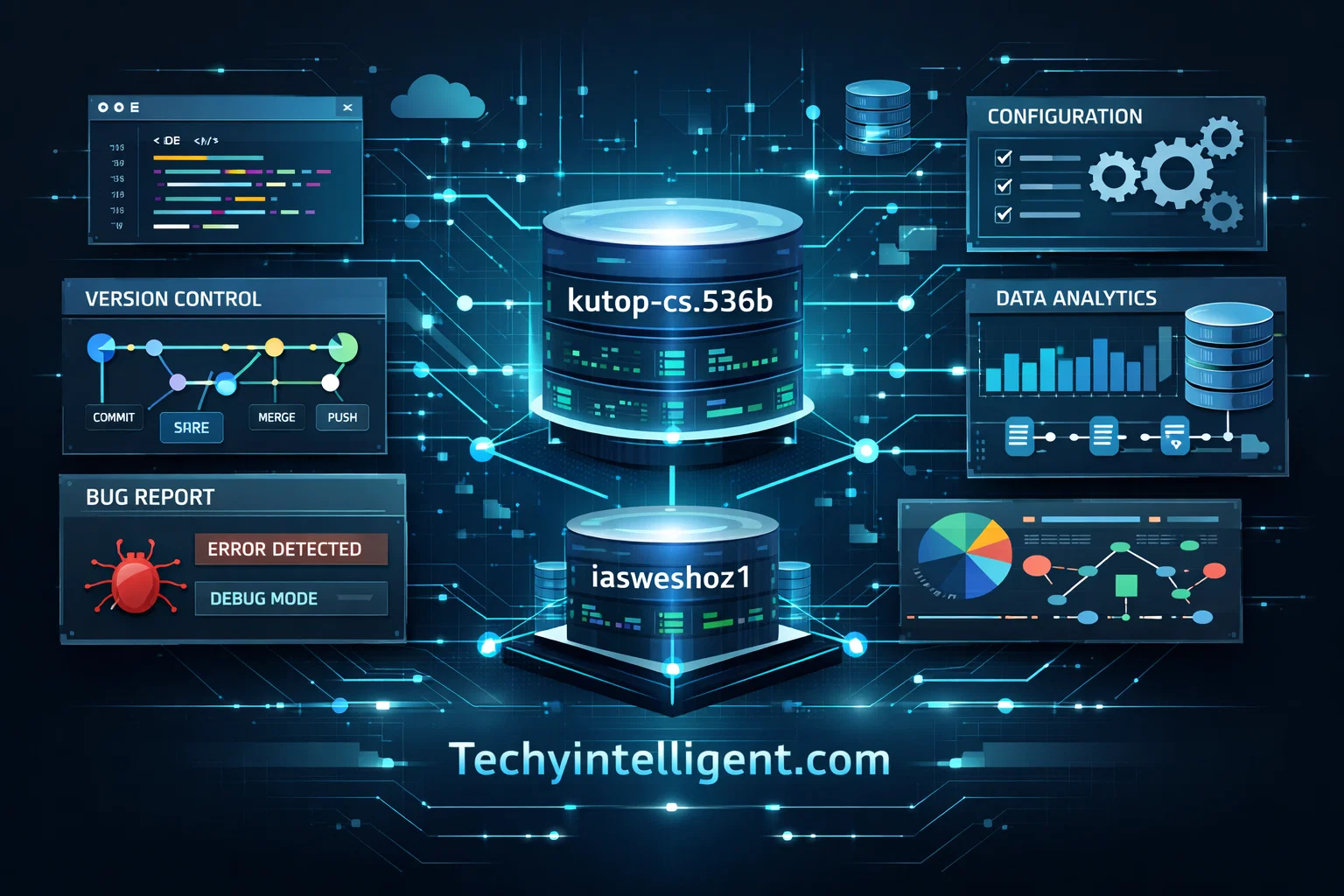
In today’s rapidly advancing digital landscape, technical identifiers like kutop‑cs.536b serve as integral components of the systems we use daily, albeit often unnoticed. While this may sound like a random string of characters, it holds a critical role in the functioning and management of complex digital systems. Whether in the realm of software development, database management, or configuration control, identifiers like kutop‑cs.536b provide consistency, scalability, and clarity.
In this article, we will explore the origins, significance, and use cases of kutop‑cs.536b, while shedding light on how it contributes to digital environments in various industries. By understanding how such identifiers work, both technical professionals and non-specialists alike can gain insight into how complex systems are organized and maintained.
What Exactly Is kutop‑cs.536b? A Deep Dive Into Its Definition
To begin, it’s important to understand what kutop‑cs.536b is at its core. This identifier represents a structured code used primarily within technical systems to reference specific modules, components, or configurations. The format suggests that it may be part of a larger naming convention that ensures each element of a system is uniquely identified.
The term “kutop” could refer to a project name or a system family, giving context to which part of a platform or tool the identifier belongs. The “cs” part likely represents a functional category or designation — possibly indicating core systems, configuration sets, or similar definitions. The “536b” segment is likely a unique identifier for a specific instance within that system or framework.
While kutop‑cs.536b is not tied to any specific commercial product, it plays a crucial role in various systems such as configuration management, software development, data management, and more. It serves to streamline processes, maintain consistency, and ensure accurate tracking of system components, especially when dealing with large-scale, complex environments.
The Importance of Identifiers in Modern Digital Systems
In the world of computing, identifiers are far from trivial. They are essential for the smooth operation of systems across different fields, and their importance cannot be overstated.
Ensuring Consistency
In large systems that handle vast amounts of data, human-readable names are insufficient for proper tracking and referencing. Identifiers like kutop‑cs.536b allow systems to maintain consistency by offering a unique reference point for each element, whether it’s a software build, configuration file, or even a component within an infrastructure. This consistency is vital for ensuring that data flows smoothly and that components interact as intended without confusion.
Scalability and Flexibility
As organizations scale, the complexity of their systems also increases. Identifiers provide the structure that supports this scale. Without unique and standardized identifiers, systems would be unable to manage increasing amounts of data, configurations, and resources effectively. kutop‑cs.536b is part of this broader strategy that allows teams to grow their systems with minimal friction, making scaling processes more efficient.
Data Integrity and Traceability
In environments where updates, patches, and changes occur frequently, maintaining data integrity is crucial. Identifiers help with traceability by ensuring that each update or modification can be linked to a specific version or configuration. For example, a developer may refer to kutop‑cs.536b in their logs to ensure that a specific version of the system was correctly updated, which ultimately helps in maintaining the stability of the entire platform.
How kutop‑cs.536b Functions in Various Use Cases
Now that we have a foundational understanding of kutop‑cs.536b, let’s explore how identifiers like this one are utilized in real-world technical environments.
Software Development and Version Control
In the world of software development, version control plays a pivotal role in managing updates, changes, and bug fixes. Tools like Git use version control systems to track changes to code, and identifiers like kutop‑cs.536b can be used to represent specific versions or modules of a program. This enables developers to maintain an organized structure for each release and update, ensuring that new features are implemented without disrupting existing functionality.
When debugging or troubleshooting, a developer can quickly reference kutop‑cs.536b to trace back to the exact version or build in question. This level of precision helps developers fix issues faster and reduces the chances of introducing new bugs.
Configuration Management in DevOps
In DevOps workflows, managing infrastructure and configurations requires absolute precision. When deploying applications, managing server configurations, or scaling cloud environments, kutop‑cs.536b could represent specific components within a configuration set. By referencing such identifiers, DevOps teams can avoid errors, ensure the right configurations are applied, and track changes more efficiently.
Whether you’re managing a cloud service or working with containers, kutop‑cs.536b plays a role in ensuring the components are correctly aligned. For example, the identifier could point to a specific build of an infrastructure-as-code template, ensuring the deployment matches the intended specifications.
Database Management and Asset Tracking
In large-scale database management systems, identifiers are indispensable. Whether it’s tracking products in an e-commerce system or managing customer records in an enterprise database, kutop‑cs.536b can be used as a key identifier for a specific data set. This simplifies the process of managing inventory, retrieving records, and performing updates.
For example, in asset tracking systems, each physical or virtual asset may have a corresponding identifier like kutop‑cs.536b, allowing organizations to keep track of their resources across different platforms. This method of asset management is essential for ensuring that everything is accounted for, reducing the likelihood of misplaced data or assets.
The Role of kutop‑cs.536b in Troubleshooting and Monitoring
One of the greatest advantages of using structured identifiers like kutop‑cs.536b is the ease they provide when it comes to troubleshooting and monitoring systems.
Efficient Problem Resolution
When systems experience issues, engineers and IT teams rely on identifiers to quickly pinpoint the source of the problem. For instance, if kutop‑cs.536b appears in error logs or performance reports, technical staff can immediately reference the corresponding configuration or version associated with it. This immediate access to accurate information leads to faster resolution times, reducing downtime and maintaining system performance.
Automated Monitoring and Alerts
Modern monitoring tools leverage identifiers to keep track of performance across multiple components. If the system detects any abnormal behavior related to kutop‑cs.536b, it can automatically send out alerts to notify relevant personnel. These early warnings help teams identify potential issues before they escalate, ensuring smooth system operations and reducing the risk of major outages.
Common Misconceptions About kutop‑cs.536b
As with many technical concepts, there are often misconceptions about what kutop‑cs.536b represents and how it is used. Let’s address a few of these:
It’s Not a Standalone Product
Many might assume that kutop‑cs.536b refers to a standalone product or service, but that’s not the case. It’s simply an identifier used within a larger system for organization and tracking purposes. This means that kutop‑cs.536b is not a consumer product but rather a part of an underlying digital architecture that makes systems function efficiently.
It’s Not Just for Developers
Another common misconception is that identifiers like kutop‑cs.536b are exclusively for developers. While they are certainly useful for developers, they also play a role in other areas like database management, project management, and operations. Everyone involved in managing digital infrastructure, from project managers to operations teams, can benefit from understanding how these identifiers work.
Best Practices for Using Identifiers Like kutop‑cs.536b
When working with technical identifiers like kutop‑cs.536b, it’s important to follow certain best practices to ensure they are used effectively:
Documentation is Key
Clear and detailed documentation of all identifiers is essential. Every team member who interacts with the system should know what each identifier refers to and how it fits into the larger system. This reduces confusion and ensures consistency across workflows.
Consistency in Naming
Maintaining a consistent naming convention for identifiers helps prevent errors and confusion. This means following predefined rules for creating and assigning identifiers, making it easier to understand their structure and relationship to the rest of the system.
The Future of Identifiers in Complex Digital Ecosystems
As the digital world continues to evolve, the need for efficient, scalable systems will only grow. Identifiers like kutop‑cs.536b will continue to be at the heart of this evolution, supporting the growing complexity of data management, software development, and infrastructure deployment. With the rise of automation and artificial intelligence, identifiers will be more crucial than ever for ensuring smooth communication between different systems and components.
As systems become more interconnected and automated, having a robust system of identifiers will allow organizations to scale operations while maintaining a high level of accuracy and reliability.
Conclusion: Embracing the Role of kutop‑cs.536b in Digital Systems
In conclusion, while kutop‑cs.536b may seem like a minor detail in the grand scheme of things, it plays a crucial role in how modern digital systems function. From software development and configuration management to asset tracking and troubleshooting, identifiers like kutop‑cs.536b ensure that systems remain organized, efficient, and scalable. By understanding the significance of such identifiers, technical professionals and organizations can improve their workflows, minimize errors, and ensure the smooth operation of complex systems.
Understanding how kutop‑cs.536b fits into the broader digital ecosystem empowers teams to build, maintain, and scale systems with confidence, knowing that they have a reliable framework for managing the complexity of today’s technological landscape.
