

Vitiligo can vary widely in severity. While many treatments aim to restore pigment, some patients with extensive involvement choose a different approach: depigmentation therapy to create a more uniform skin tone. This option is typically considered only in advanced, stable cases.
This article explains when depigmentation is considered, how it works, and what individuals should understand before beginning treatment.
When Is Depigmentation Considered?
Depigmentation therapy is usually reserved for patients who:
- Have vitiligo affecting a large percentage of the body
- Have not responded to repigmentation therapies
- Experience significant contrast between pigmented and depigmented areas
- Understand the irreversible nature of the treatment
The goal is not to restore lost pigment, but to lighten remaining pigmented areas to achieve visual uniformity.
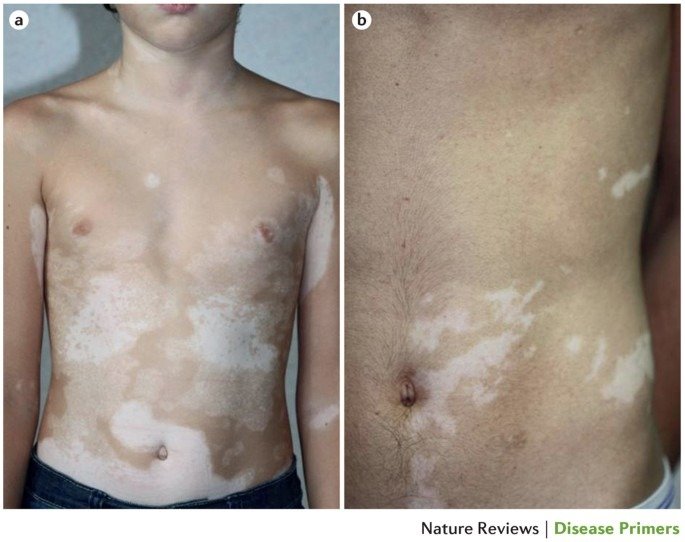

How Depigmentation Therapy Works
Depigmentation is achieved by applying a topical agent that destroys melanocytes (pigment-producing cells) in treated areas. Over time, the skin gradually lightens and becomes more even in tone.
Important considerations include:
- Results are permanent
- Treatment may take several months
- Strict sun protection becomes essential
- Emotional adjustment is part of the process
According to DermNet NZ, monobenzone is specifically indicated for permanent depigmentation in patients with widespread vitiligo and should not be used for cosmetic lightening.
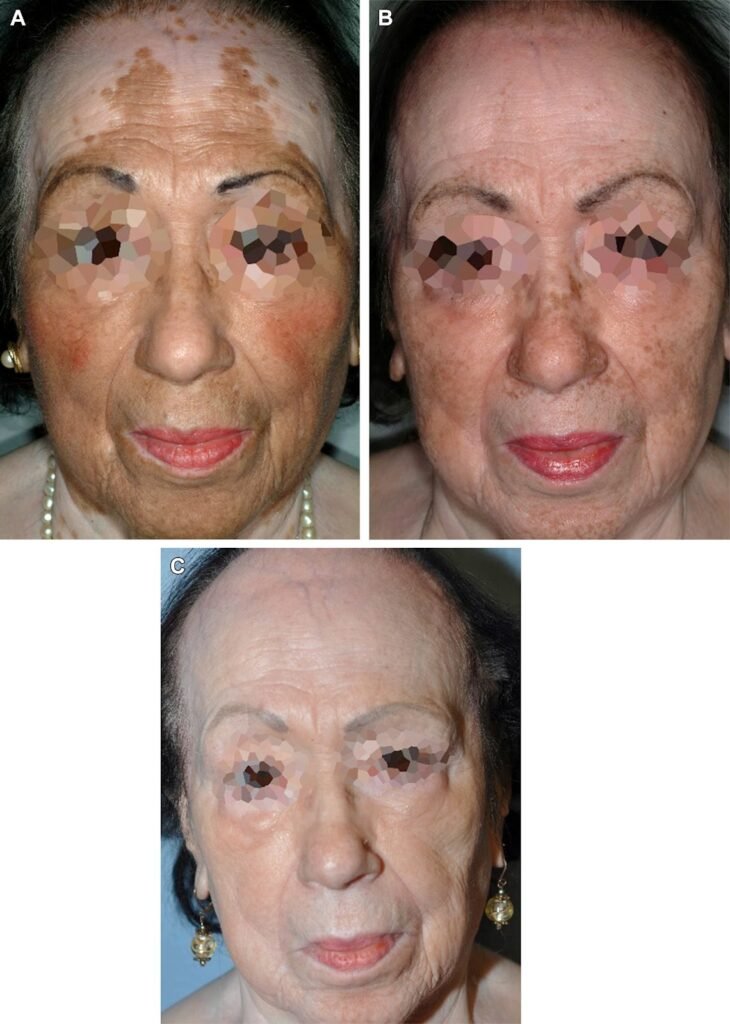

What to Expect During Treatment
Depigmentation occurs gradually. During the process, patients may notice:
- Patchy lightening before uniform tone develops
- Increased sun sensitivity
- Temporary irritation
Regular follow-up with a healthcare professional helps monitor progress and minimize side effects.
Choosing a Depigmenting Cream
Formulation quality is critical for controlled and predictable results. A commonly used option is:
👉 monobenzone 20% cream
https://okdermo.com/product/benoquin-monobenzone-20-cream/
This strength is typically used under medical supervision for advanced vitiligo cases.
Lifelong Sun Protection Is Essential
Once melanin is removed, the skin becomes more vulnerable to UV damage. Patients must commit to:
- Daily high-SPF sunscreen
- Protective clothing
- Avoiding intense sun exposure
Long-term protection supports both safety and cosmetic results.
Who Should Not Consider Depigmentation?
Depigmentation therapy is generally not recommended for:
- Localized or mild vitiligo
- Individuals uncertain about permanent changes
- Cosmetic skin lightening purposes
- Pregnant or breastfeeding individuals
A thorough consultation is necessary before beginning therapy.
Conclusion
Depigmentation therapy can be a life-changing option for individuals with extensive vitiligo when repigmentation is no longer effective. By creating a more uniform appearance, it may improve confidence and daily comfort.
However, because results are permanent, careful consideration, medical supervision, and lifelong sun protection are essential components of the decision.
